
Creating Inclusive Education for Students With Autism and Special Needs
Education has the power to transform lives, but every student does not learn in the same way. For children with autism and other special needs, traditional classroom environments may sometimes create barriers that make learning more difficult. These barriers do not...

Understanding Autism in Education: Building Inclusive Learning Environments That Empower Every Student
Autism Spectrum Disorder (ASD) affects millions of children and adults worldwide, yet every individual with autism experiences the world in their own unique way. As awareness continues to grow, schools are increasingly recognizing the importance of creating...
Beyond the Diagnosis: Unlocking the Extraordinary Potential of Children with Autism
When people hear the word autism, they often think of limitations. However, for millions of families, educators, and professionals around the world, autism represents something much deeper—a unique way of experiencing, interpreting, and interacting with the world....
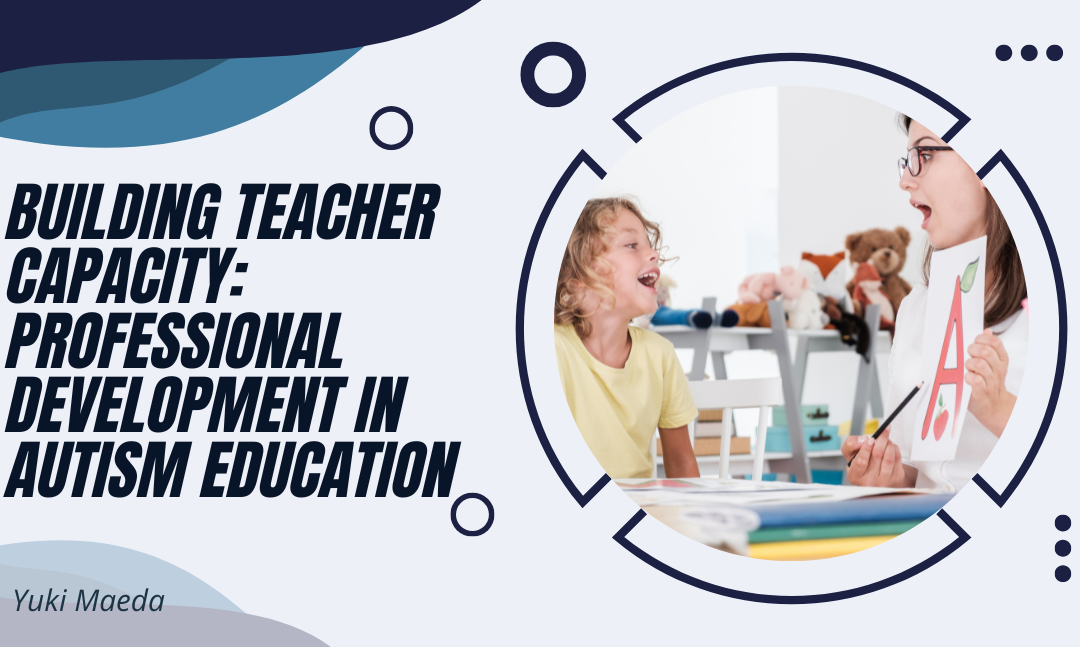
Building Teacher Capacity: Professional Development in Autism Education
As the number of students diagnosed with Autism Spectrum Disorder (ASD) continues to rise, educators are increasingly faced with the responsibility of creating learning environments that support their unique needs. While many teachers are passionate about inclusive...
Building Inclusive Classrooms That Truly Work
Education is often described as the foundation of opportunity, but for children with special needs—especially those on the autism spectrum—traditional systems don’t always fit their way of learning. Autism, formally known as Autism Spectrum Disorder, is not a single...
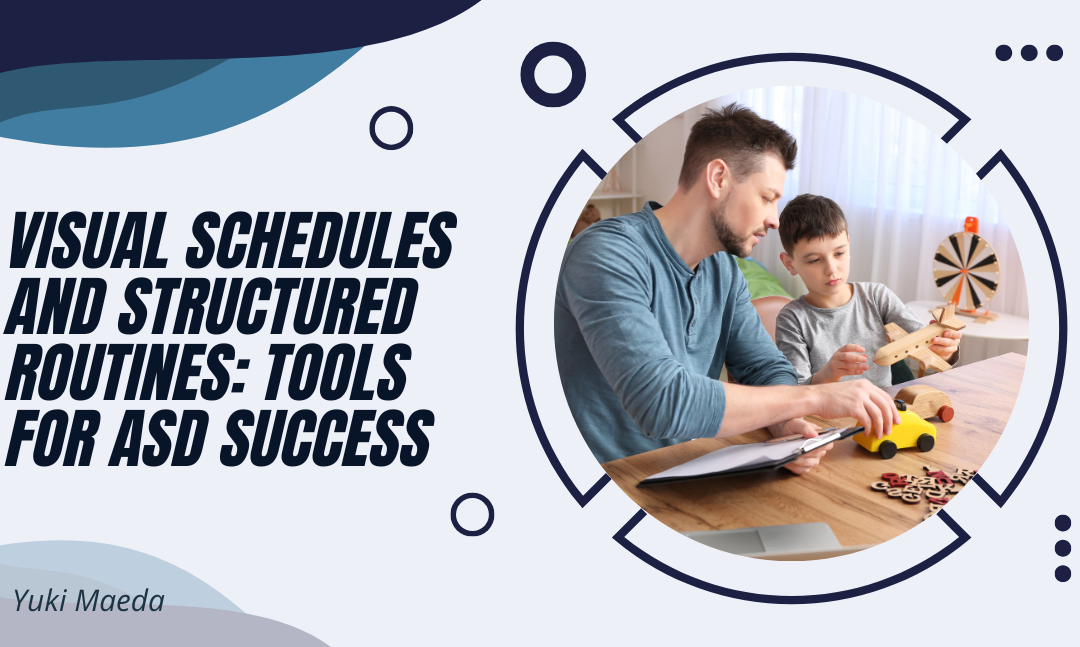
Visual Schedules and Structured Routines: Tools for ASD Success
Consistency and predictability are essential elements in the education of students with Autism Spectrum Disorder (ASD). One of the most effective ways to provide this support is through the use of visual schedules and structured routines. These tools help students...

Creating Safe and Welcoming School Cultures for All Learners
A safe and welcoming school culture is the foundation of effective education for all learners, including those with diverse needs, backgrounds, and abilities. When students feel secure, respected, and valued, they are more likely to engage with their peers, invest in...
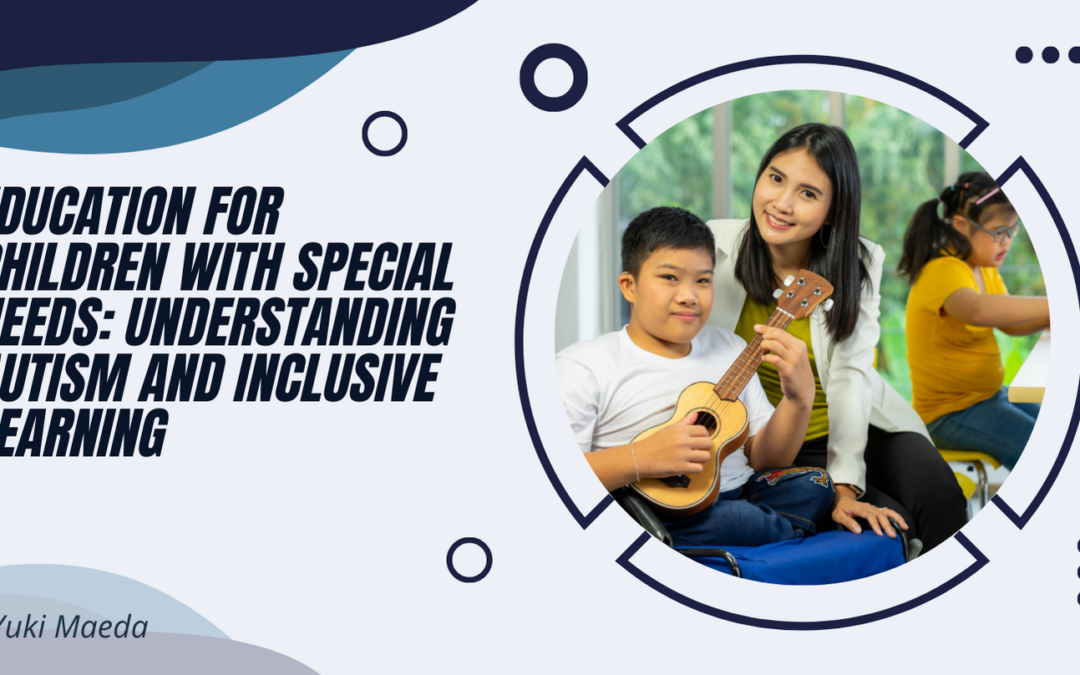
Education for Children with Special Needs: Understanding Autism and Inclusive Learning
Education is a fundamental right for every child. Yet for children with special needs—especially those on the autism spectrum—accessing meaningful, supportive, and effective education remains a challenge in many parts of the world. Autism Spectrum Disorder (ASD)...

Education for Children With Autism: Building Inclusive, Supportive, and Empowering Learning Environments
Education is one of the most powerful tools for shaping a child’s future. For children with autism spectrum disorder (ASD), education plays an even more critical role—not just in academic development, but in communication, independence, emotional regulation, and...

Unlocking Brilliance: Rethinking Education for Students on the Autism Spectrum
Education is often described as the key to opportunity — but for students on the autism spectrum, that key doesn’t always fit the lock. Traditional classrooms were not designed with neurodiversity in mind, and as a result, many autistic students are left navigating...