
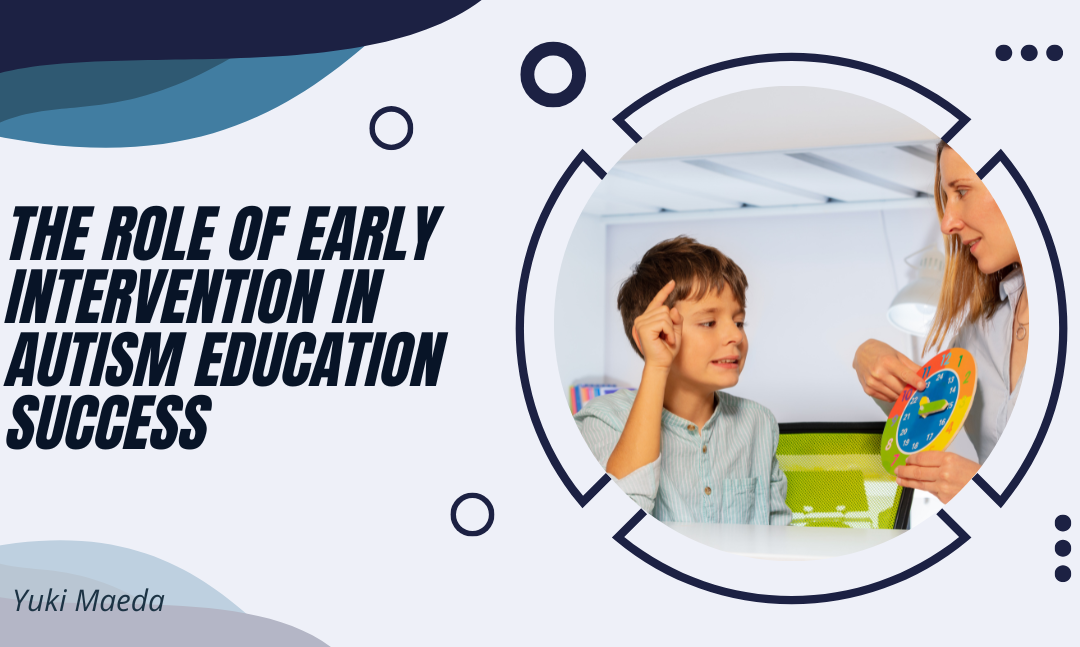
Early intervention plays a pivotal role in shaping the developmental trajectory of children with autism spectrum disorder (ASD). Identifying and addressing developmental delays at a young age opens the door to significant progress in cognitive, social, and communication skills. As research and practical experiences show, the earlier the intervention begins, the greater the potential for children with autism to achieve academic success and improve their quality of life.
Autism typically emerges in the first few years of life, often before the age of three. Signs may include limited eye contact, delayed speech, restricted interests, and repetitive behaviors. However, these signs may not be immediately recognized by caregivers or educators. Pediatricians and early childhood professionals play a critical role in screening and referring children for evaluations. Once a diagnosis is confirmed, early intervention services can begin—offering a structured and personalized approach to learning that meets the child’s unique needs.
One of the primary benefits of early intervention is the opportunity to influence the developing brain during its most plastic and adaptable phase. Neural connections are rapidly forming in early childhood, and the brain’s capacity to reorganize itself is higher during this time. Intervention strategies such as speech therapy, occupational therapy, applied behavior analysis (ABA), and play-based learning can harness this neuroplasticity, helping children acquire foundational skills that will serve them for life.
Early intervention also fosters stronger communication and socialization. Many children with autism struggle with expressing themselves verbally or nonverbally. Intervention programs often include techniques to encourage the development of language, whether through verbal instruction, picture exchange systems, or assistive communication devices. As these children begin to communicate more effectively, their ability to engage in social interactions with peers and adults also improves. These interactions are essential for building confidence, fostering emotional regulation, and cultivating friendships.
Academic readiness is another area positively impacted by early intervention. Children who participate in early intervention programs are more likely to enter kindergarten with skills comparable to their neurotypical peers. These include the ability to follow instructions, attend to tasks, and interact with teachers and classmates. The transition into school becomes smoother, and the need for extensive special education services may be reduced. Early exposure to structured educational settings also allows for better monitoring of progress and adaptation of teaching strategies as the child grows.
Family involvement is a key component of successful early intervention. Parents and caregivers are often the first teachers in a child’s life, and their role continues to be central throughout the intervention process. Effective programs include training and coaching for families, enabling them to implement strategies at home that complement the child’s therapy. This consistency across settings accelerates learning and reinforces positive behaviors.
Moreover, early intervention can significantly reduce future costs associated with education and healthcare. Children who receive support early on may require fewer intensive services later in life, are more likely to become independent, and may need less support in adulthood. This not only benefits the individual and their family but also society at large.
Despite its proven benefits, access to early intervention remains unequal. Socioeconomic factors, geographic location, and awareness levels can all impact whether a child receives timely support. Advocacy and public policy must work hand in hand to ensure that all children, regardless of background, have access to early evaluations and intervention services.
In summary, early intervention is a powerful tool in promoting success for children with autism. By capitalizing on the brain’s early development window, building communication and social skills, and preparing children for academic life, these services lay the groundwork for long-term achievement. When families, educators, and healthcare professionals collaborate early and often, the outcome is a more inclusive, supportive, and effective educational journey for children on the spectrum.